EU4Energy Advances Energy Connectivity in the South Caucasus and Türkiye
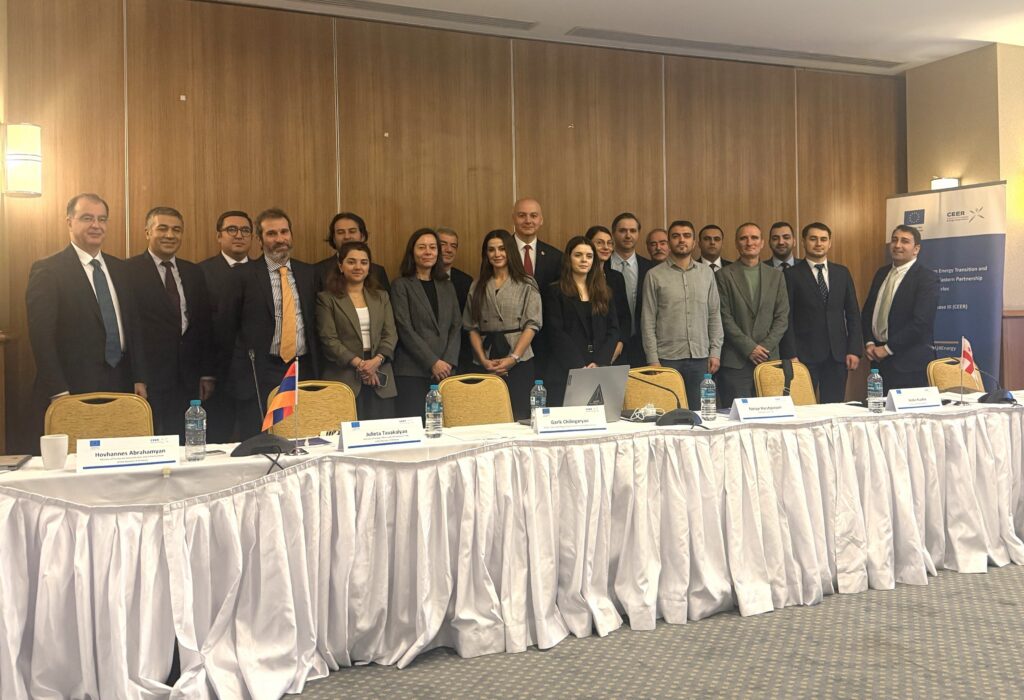
Istanbul, 18 November 2026 - The Council of European Energy Regulators (CEER), within the framework of the EU-funded EU4Energy Phase III project, convened the second South Caucasus Energy Connectivity Meeting on 17-18 November 2026. The event brought together energy sector representatives from Armenia, Azerbaijan, Georgia and Türkiye to advance regional dialogue and explore opportunities for enhancing cross-border energy cooperation and connectivity in line with the EU’s connectivity Agenda. Building on the regional cooperation process initiated earlier this year, the meeting marked a further step towards more structured technical cooperation, focusing on shared challenges, priorities and practical approaches.
“Energy Connectivity is an important part of the European Union's efforts to promote energy security, sustainable development and regional cooperation. By supporting dialogue among the countries of the South Caucasus and Türkiye, we aim to encourage practical cooperation and the gradual development of a more interconnected energy sector,” stated Michele Pierpaoli, Project Manager for Energy and Green Development, Delegation of the European Union to Türkiye, in his welcome address.
Over the two days, participants reviewed progress achieved since the first meeting, exchanged updates on national energy sector developments, and discussed recent European Union energy policy priorities relevant to regional connectivity. The discussions focused on four thematic pillars: Infrastructure and Interconnectivity Development, Market and Regulatory Alignment, Renewable Energy Integration and Flexibility and Transparency, and Information Exchange and Digital Resilience.
“As the host country of this meeting, Türkiye is pleased to contribute to a constructive regional dialogue on energy connectivity. Türkiye has always attached great importance to maintaining good-neighbourly relations, strengthening regional solidarity and promoting cooperation with neighbouring countries. We believe that enhanced energy connectivity and stronger cross-border electricity interconnections can generate mutual benefits for all countries in our region, while also contributing to the European Union's energy security and the development of a more integrated and resilient wider energy market. Achieving this vision requires infrastructure development, compatible regulatory approaches, effective coordination and transparent market arrangements. Through this Project, sharing experiences and identifying practical areas for cooperation are essential to addressing common challenges and unlocking the full potential of regional energy cooperation,” said Mustafa Yavuzdemir, Head of Foreign Relations Group, Energy Market Regulatory Authority of Türkiye (EMRA)
Bringing together European insights on regional market integration and Türkiye’s hands-on experience in cross-border electricity trade, the meeting highlighted pathways to foster regional energy connectivity in the South Caucasus and unlock opportunities for deeper market integration, while recognising the importance of gradual and coordinated progress.
Strengthening regional energy connectivity requires sustained dialogue, mutual understanding and a shared commitment to practical cooperation. Through EU4Energy, we are creating an opportunity where countries can exchange perspectives, identify common priorities, and explore solutions that reflect their respective energy sector needs. Our objective is to support a phased, country-driven process that translates regional dialogue into concrete opportunities for cooperation,” emphasised Eszter Süle, Head of the EU4Energy Regional Office.
The second South Caucasus Energy Connectivity Meeting marked another step in EU4Energy Phase III's efforts to facilitate constructive regional engagement, strengthen cooperation among energy sector stakeholders and support a more interconnected, secure and sustainable energy future.
The EU4Energy Phase III is funded by the European Union with a total budget of €6 million and is implemented by CEER. The project aims to contribute to the accelerated transition to interconnected, secure, sustainable, and low-emission energy systems in the Eastern Partnership Countries.